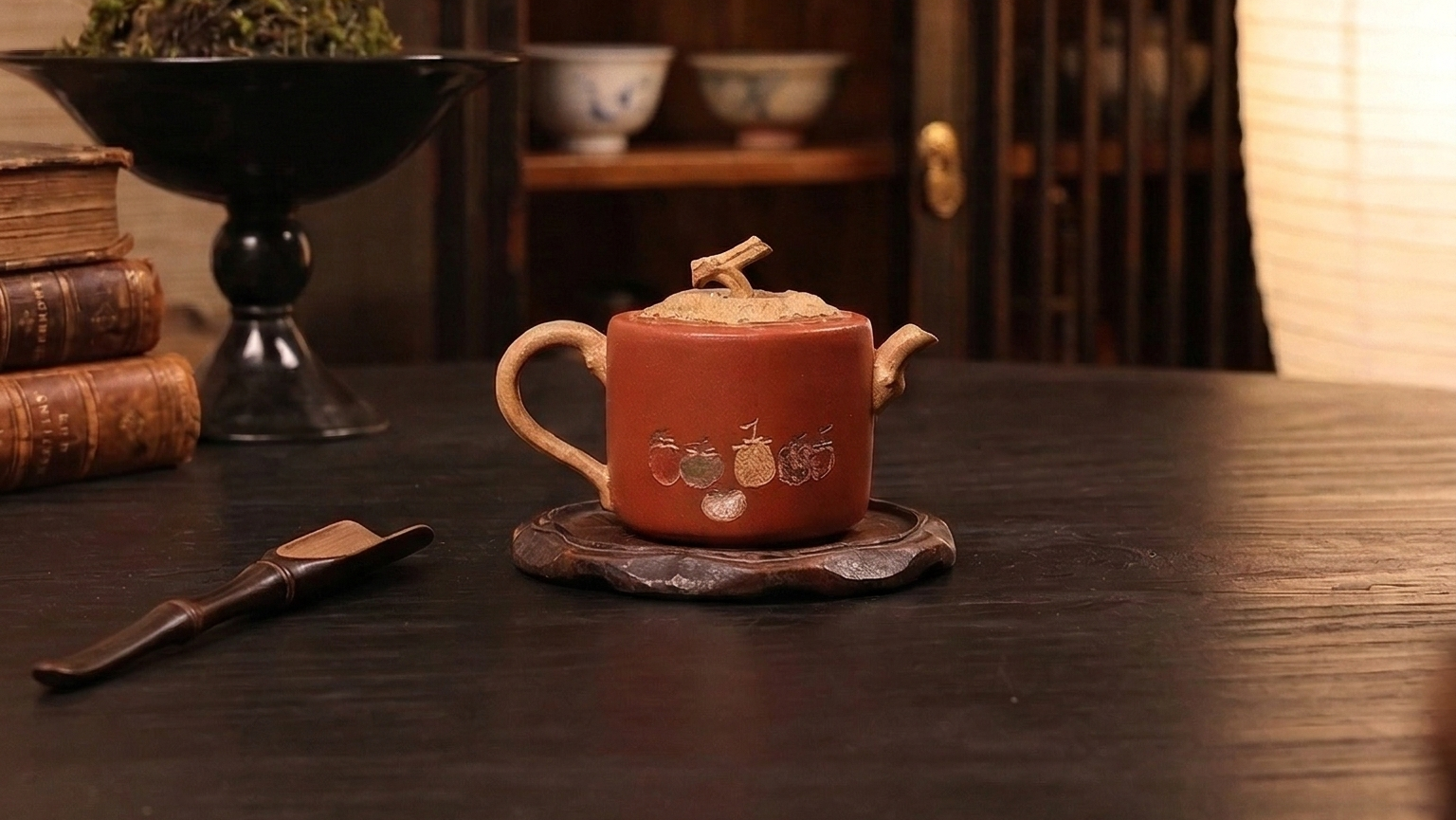
Ages of devotees have craved the exceptional fascination of Yixing Zisha pitchers. Founded in the scenic town of Yixing, the territory, these jars are shaped from a unique and quarried purple clay celebrated for its outstanding thermal qualities and ability to refine the note of liquids. More than their useful value, Zisha teapots manifest a solid traditional inheritance, causing them highly admired and a undisputed jewel for any serious teapot connoisseur.
Discovering Yixing Vessels
These teapots highlight a singular combination of history and artisan craftsmanship. Existing in Yixing, Jiangsu District of China, their narrative dates back the Ming Dynasty, although clues suggest earlier versions. The unique plum clay, called Zisha, found only in the Yixing region, is the vital component, contributing to the pots' remarkable heat maintenance and the manner they enhance the essence of tea. Generations of potters have improved techniques—often inherited through families—including sculpting the clay, applying ornate embellishments, and firing the pots at deliberate temperatures.- Initially, Yixing teapots were often adorned with simple designs.
- Thereafter, more sophisticated carvings and iconographic motifs became widespread.
- The baking procedure itself is a vital element, requiring extensive periods of competence.
Assembling Zisha Teapots: Important Guidelines
Embarking on a venture to obtain Zisha earthenware can be fruitful, but it’s essential to comprehend what to consider. Authenticity is key; focus on the component’s natural tone, a muted reddish-brown is typical. Examine the grain; genuine Zisha has a exclusive tactile sensation, often portrayed as slightly grainy. The morphology should be aesthetically sound and consistent with antique styles, while labels, if present, require thorough examination for legitimacy. Don’t postpone to consult with experienced dealers or reliable databases – their insight is precious.
Ancient Kettles: Exploring the Custom of authentic Purple Ware
Millennia have seen Yixing Zisha teapots occupy a important role in Chinese custom. These beautifully crafted pots, sourced uniquely from the district of Yixing, are acclaimed for their characteristic complexion, texture, and their ability to enhance the taste of beverages. A multitude of collectors chase antique Yixing teapots, estimating them considerably not only for their aesthetic elegance, but also for the legacy they Yixing Zisha Teapot portray.
Yixing Zisha Teapots: Such Leading Classes and Their Traits
Purple Earthenware teapots, established in the renowned district of Yixing, the realm, are esteemed for their remarkable clay and first-rate brewing characteristics. Among the various Zisha types, prominent sorts that are highly coveted include Mingzhong. Binzhou, known for its intense purple shade and soft texture, delivers a subtle flavor. The Duan Ni type, recognizable by its reddish color and somewhat grainy feel, is perceived to enhance the depth. Lastly, Zhuni clay boasts an uncommon maroon tone and can convey a gentle nuance. Each form provides a individual experience, bringing them exceptionally desirable for tea enthusiasts.
Understanding Individual Clay Kettle
To reveal the power of your Yixing vessel, knowing the correct way is crucial. These clay containers, celebrated for their texture, will incrementally take on the nature of the tea you infuse within them. Begin by washing the urn thoroughly with heated water. Then, use only high-quality fresh leaf tea, as lower quality options can affect the pot’s delicate notes. Always let the leaves to grow completely, and remember that with each infusion, your Yixing jar will become steadily unique.
Sustaining Your Cherished Zisha Relic
Proper handling for your Zisha jar is necessary to conserving its appearance and value. Zisha clay, famed for its unique hue and grain, requires gentle handling. Never use caustic detergents, as these can injure the covering. After every infusion, rinse the urn with tepid water and allow it to evacuate moisture completely.
- Refrain from soaking the container for extended periods.
- Intermittently use a soft wiping cloth to polish the exterior.
- Deliberate applying a thin layer of food-grade vegetable oil inside the container after drying, which can diminish staining.
Initial Guide to Yixing Teapots
Yixing vessels, originating from the Yixing province in Jiangsu Province, the Chinese territory, are celebrated for their distinctive qualities. Produced from the unique purple compound known as Zisha, these vessels are prized by brew enthusiasts worldwide. This digest will briefly explain the principles – covering sorts of Zisha matrix, common shapes, and crucial care notes. Understanding the roots of Yixing teapots can deepen your appreciation for this valued example of Sinic tradition.
Craft of Zhongguo Earthenware: Examining Zisha deriving from Yixing City
Zisha ware from the Yixing area represents the summit of Oriental pitcher design, demonstrating a unique combination of organic beauty and useful artistry. These outstanding pieces are noted for their vibrant hues, often covering robust purples and chestnut hues to light greys and faint beiges. The noted mineral composition of the exclusive Zisha bedrock imparts a unique texture and creates a agreeable aroma that improves the complete brew experience, rendering them highly sought-after collectibles and essential components of any serious tradition.