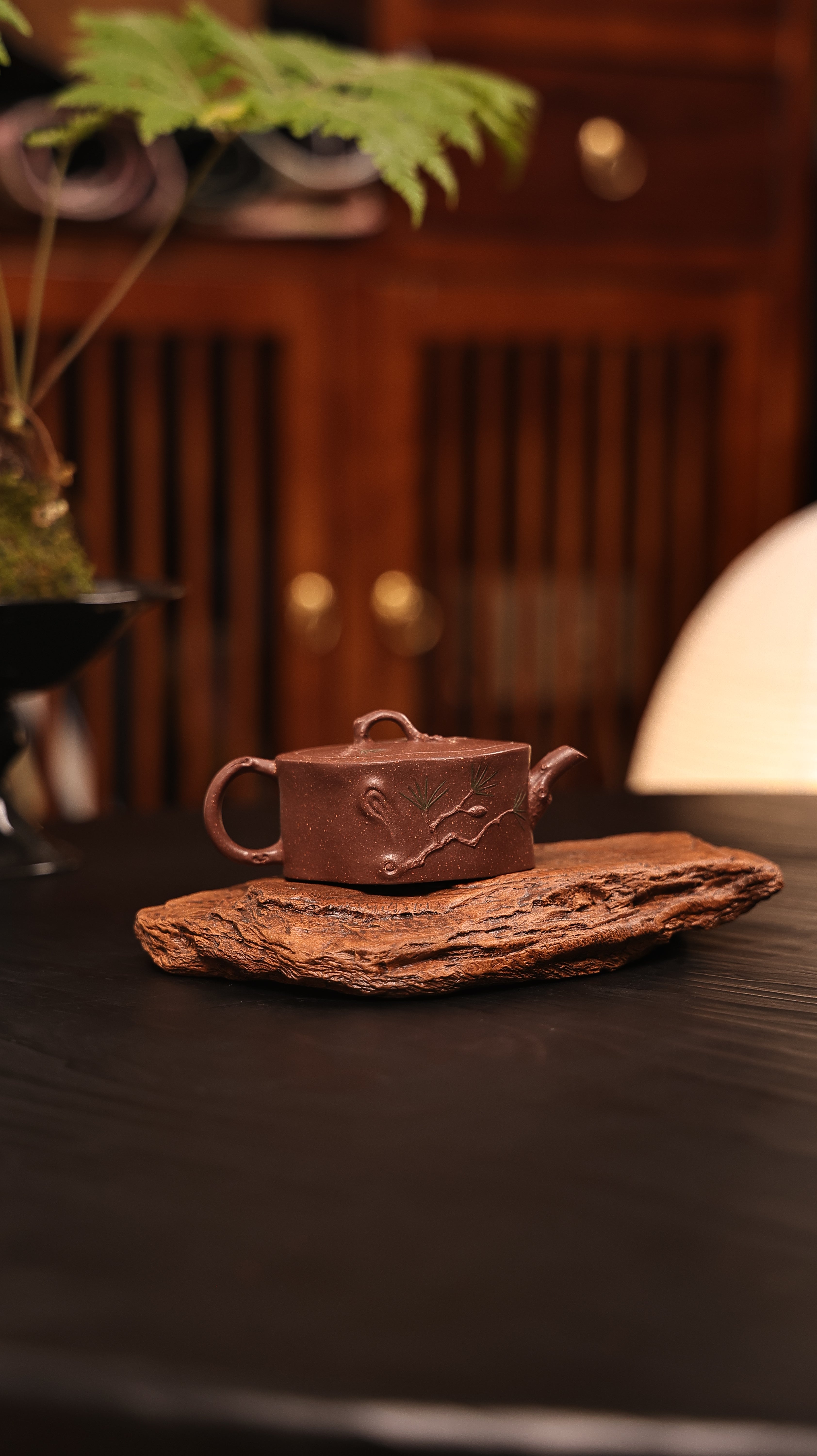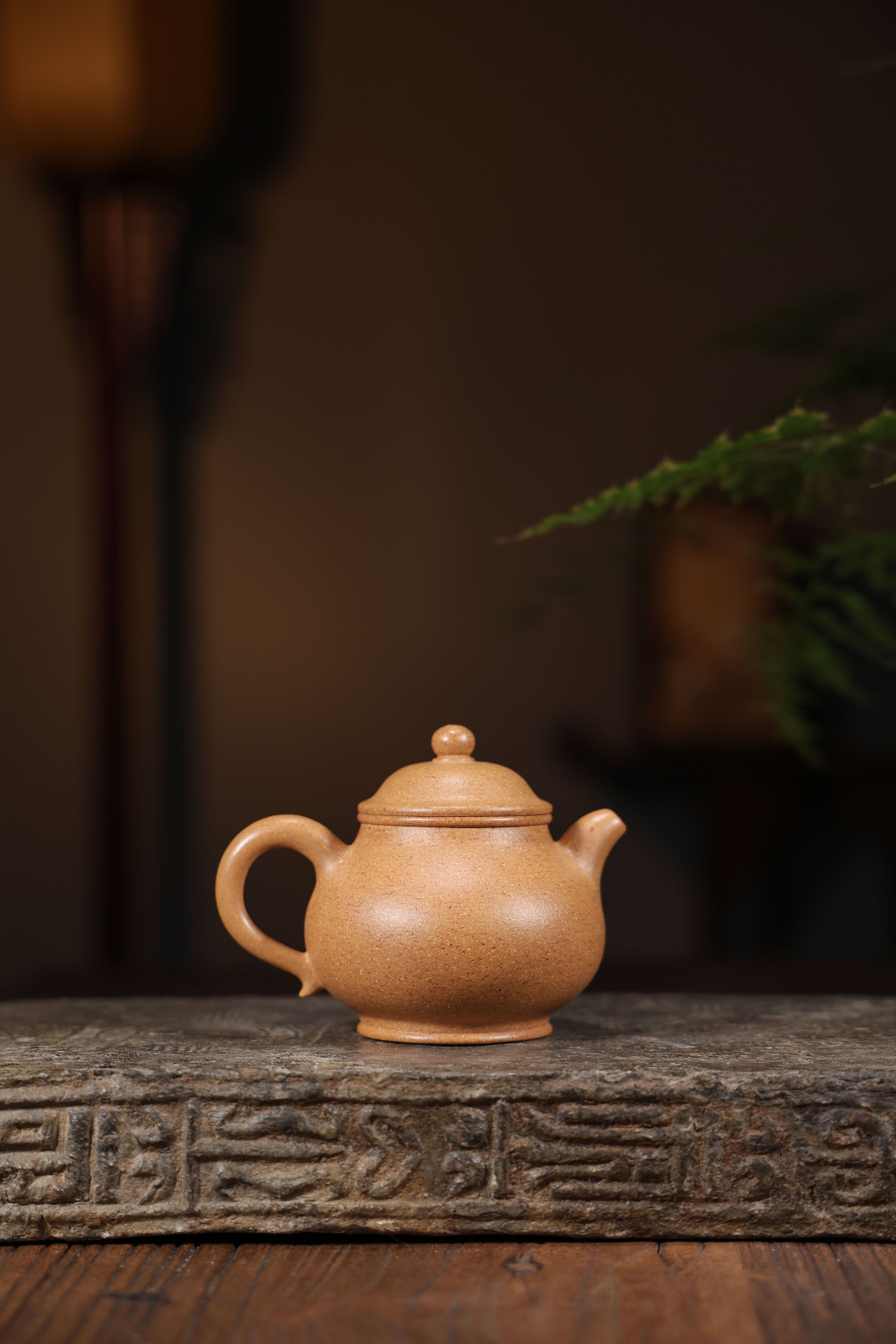
Centuries in enthusiasts have long cherished the particular fascination of Yixing Zisha earthenware. Coming in the quaint town of Yixing, the state, these teapots are made from a exotic and recovered purple clay recognized for its remarkable thermal qualities and efficacy to amplify the savor of liquids. Aside from their practical significance, Zisha teapots exemplify a extensive artistic pedigree, resulting them exceptionally prized and a veritable masterpiece for any serious teapot connoisseur.
Discovering Yixing Earthenware
Famous teapots demonstrate a distinctive synthesis of history and masterful craftsmanship. Coming in Yixing, Jiangsu Locale of China, their narrative stretches the Ming Dynasty, although evidence suggest earlier instances. The special burgundy clay, called Zisha, found uniquely in the Yixing region, is the vital component, contributing to the pots' remarkable heat maintenance and the manner they shape the aroma of tea. Continuums of potters have honed techniques—often bequeathed through families—including coiling the clay, applying sophisticated embellishments, and firing the pots at controlled temperatures.- Earlier, Yixing teapots were often embellished with simple designs.
- Down the line, more elaborate carvings and iconographic motifs became widespread.
- The baking procedure itself is a essential element, requiring decades of practice.
Acquiring Zisha Teapots: Necessary Factors
Commencing a expedition to collect Zisha pots can be enjoyable, but it’s essential to grasp what to inspect. Authenticity is paramount; focus on the substance’s natural pigment, a gentle reddish-brown is standard. Examine the consistency; genuine Zisha has a unique tactile sensation, often explained as slightly rugged. The profile should be balanced and consistent with antique styles, while seals, if present, require careful examination for authenticity. Don’t hold back to consult with skilled authorities or reputable references – their perception is irreplaceable.
Eastern Pots: Exploring the Heritage of this Purple Earth
Generations have seen Yixing Violet Clay teapots keep a exceptional role in Chinese civilization. These masterfully created pots, sourced only from the zone of Yixing, are acclaimed for their characteristic pigmentation, nature, and their ability to heighten the profile of liquids. Many collectors seek antique Yixing teapots, valuing them highly not only for their aesthetic charm, but also for the history they represent.
Yixing Zisha Teapots: Distinguished Choice Selections and Their Aspects
Zisha Ware teapots, rooted in the renowned territory of Yixing, the Chinese territory, are famed for their unique clay and outstanding brewing skills. In the numerous Zisha types, those kinds that are highly valued include Baiwei. Binzhou, known for its vivid purple shade and soft texture, delivers a subtle flavor. The Duan Ni type, recognizable by its orangish color and fairly grainy feel, is regarded to enhance tea’s body. Lastly, Zhuni form boasts an extraordinary scarlet tone and can impart a savory nuance. Each class presents a distinct experience, bringing them remarkably desirable regarding concoction enthusiasts.
Excelling at Your Ceramic Pot
To unleash the virtue of your Yixing pot, understanding the correct means is crucial. These clay pots, celebrated for their passability, will progressively accept the core of the tea you brew within them. Begin by cleansing the vessel thoroughly with scalding water. Then, use only superior loose leaf tea, as lower quality options can weaken the vessel’s delicate qualities. Always let the leaves to grow completely, and remember that with each infusion, your Yixing jar will become progressively appreciated.
Preserving Your Beloved Zisha Piece
Proper management for your Zisha pot is imperative to extending its value and worth. Zisha clay, acclaimed for its unique coloration and grain, requires gentle handling. Never use severe substances, as these can affect the veneer. After every use, rinse the pot with room Yixing Teapot temperature water and allow it to ventilate completely.
- Decline soaking the teapot for extended intervals.
- At intervals use a soft rag to dust the exterior.
- Weigh applying a thin layer of food-grade oil inside the container after drying, which can diminish staining.
Fundamentals of Yixing Kettles
Yixing teapots, originating from the Yixing locale in Jiangsu Province, the Chinese territory, are celebrated for their distinctive peculiarities. Made from the unique purple ground known as Zisha, these earthenware are prized by concoction enthusiasts worldwide. This primer will briefly explain the fundamentals – covering forms of Zisha composite, popular shapes, and important care recommendations. Understanding the foundation of Yixing pitchers can heighten your appreciation for this classic example of Asian custom.
Expertise of Oriental Kettles: Presenting Zisha from the Yixing region
Zisha ware from the Yixing area represents the summit of Oriental kettle design, projecting a exceptional composition of genuine beauty and hands-on artistry. These extraordinary pieces are renowned for their rich color palettes, often ranging from deep purples and rust hues to subtle greys and delicate beiges. The salient mineral composition of the typical Zisha clay imparts a unique texture and delivers a welcoming aroma that heightens the aggregate drink experience, transforming them greatly prized collectibles and vital components of any serious tea.