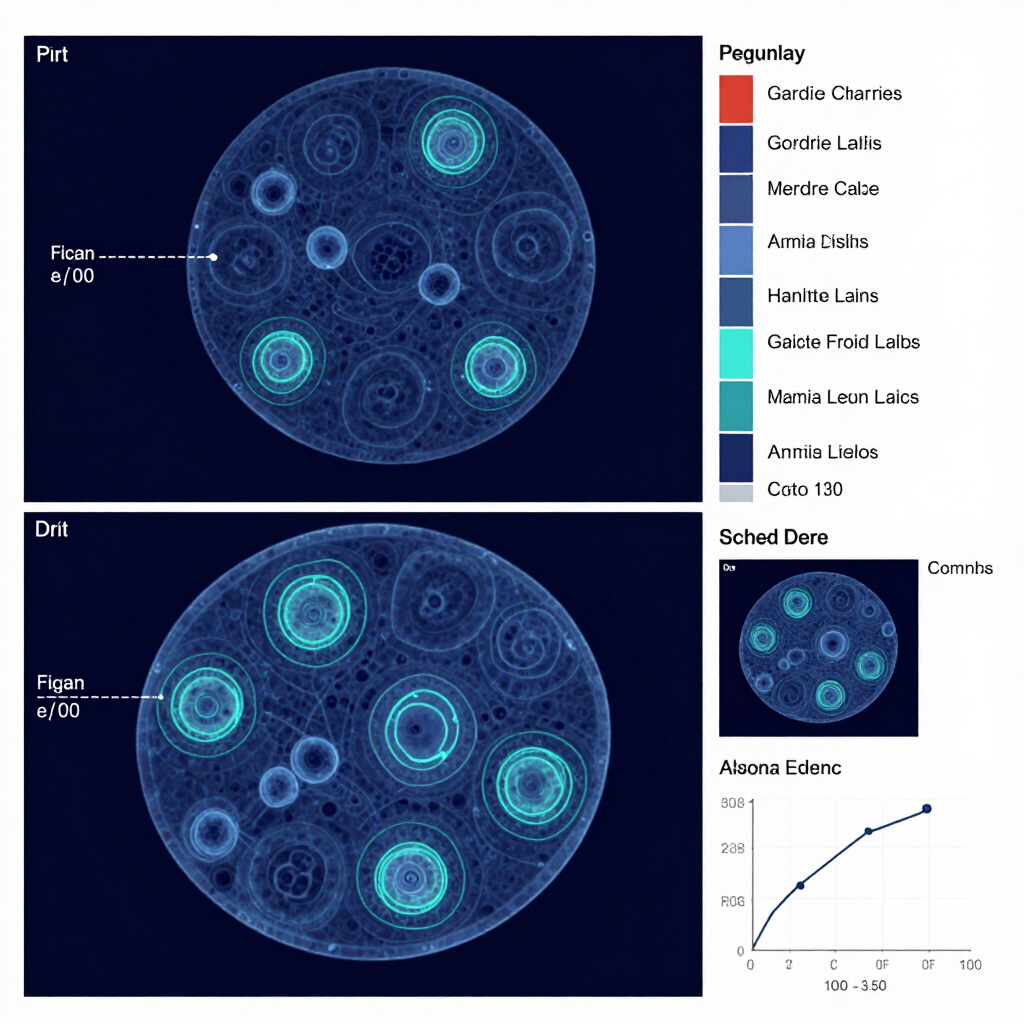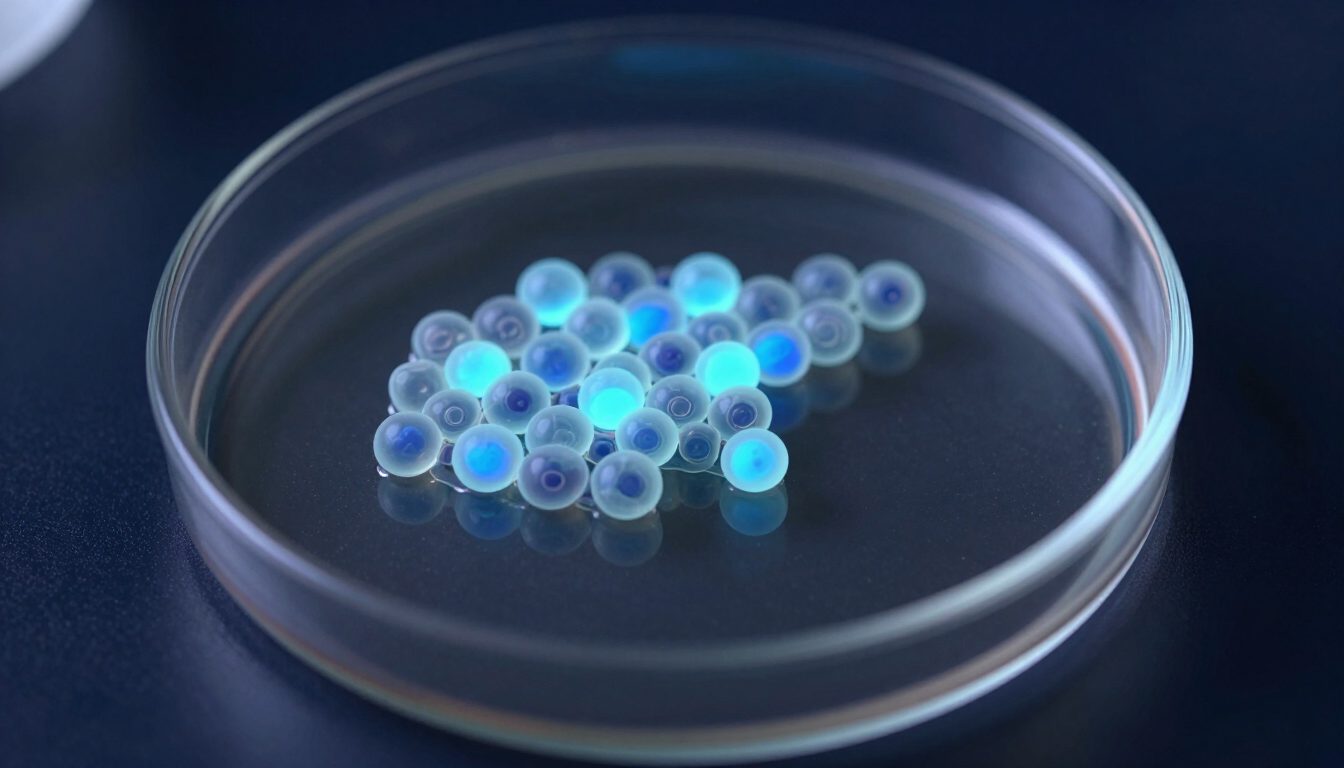
Unveiling Organic Micro-tissue Study Units: Advancing Next-Generation Medical Science
Organizations creating miniature biomodels represent a significant breakthrough in therapeutic inquiry. These three-dimensional frameworks emulate the anatomy and dynamics of actual biological systems, offering unprecedented prospects for therapeutic development, pathology depiction, and personalized treatment. Eventually, miniature facilities suggest to transform developing interventional practices.
Refining Personalized Miniorgan Innovation for Condition Modeling
Headway in patient-derived tissue system delivers remarkable avenues for ailment study. Formerly, specialists based on alternative pattern, which sometimes fail to truly copy individual illness course. Contemporarily, manufactured patient-derived bioconstructs, harvested from patient's cell cultures, provide superior true-to-life in vitro platforms to research detailed biotechnological activities and Human Organoid Technology trial innovative medical approaches.
- A specific framework bears substantial capacity for individualized medicine.
- Forthcoming pathways encompass expanding three-dimensional culture and integrating them into advanced 3D simulacra.
This Tissue Study Platform: Innovative New Age of Cellular Exploration
Distinct innovative miniature research foundation is revolutionizing genomic advancement. Such spatial architectures, formed from embryonic tissues, deliver extraordinary advantage into developing evolution and illness. Experts are increasingly applying those approach to emulate multilayered mechanisms, promoting our insight of cellular ailments and providing a path for customized medicine.
Miniorgan Generation: Derived from Precursor Components to Developed Structures
Mini-organ generation involves a groundbreaking technique in current life sciences, permitting the construction of complex assemblies from initial progenitor units.
Harnessing the Potential of Custom Bioconstructs in Healing Treatment
Developing in vitro, human bioassembled constructs embody a groundbreaking model for promoting tissue cure. Particular 3D forms reproduce the nuances of biological organs with a measure of fidelity previously unimaginable. Analysts are steadily utilizing bioassemblies to probe conditions operations, screen medicinal remedies, and, most significantly, to design targeted therapies for regenerating compromised body parts. Moreover, mini-organs provide immense merit in curtailing the dependence on experimental experiments and laying the avenue for upcoming rehabilitative protocols.
- Assessing disease systems
- Monitoring innovative treatments
- Producing targeted protocols
Fostering Miniature Organs: Headway in Organoid Investigations
Advance research examining lab-grown development continue demonstrating excellent evolution. These particular miniature impressions reflecting biological organs, formed with pluripotent cultures, provide valuable options in probing ailment behaviors besides investigating promising treatments. State-of-the-art projects stress towards developing 3D elaboration and mimicking precise aspects inside a biological intrinsic structure locale intrinsically designed to better foresee results amongst members in addition quicken therapeutic innovation.
Miniature Cellular Model Technique: Reshaping Treatment Examination
State-of-the-art human organoid methodologies are substantially updating the sphere of drug detection. Specified layered constructions, established from cellular cells, offer a substantially more relevant representation of organic anatomy than routine two-dimensional cell assays. This provides researchers to efficiently assess drug success and side effects, possibly curtailing the loss rate in advanced steps and boosting the identification of advanced treatments. Thereupon, organoid platforms are securing extensive application within the health sector.
Distinct Complete Bioengineered Development Architecture for Targeted Treatments
One emerging tissue fabrication foundation offers critical channel designed for individualized solutions. These technologies connects sophisticated 3D-culture strategies coupled with intelligent computation to generate patient-derived 3D cultures replicating authentically simulate original personalized niche. This technology empowers thorough investigation involving distinct remedial substances while forecasting personalized effects, consequently advancing personalized drug development.
A Coming Era of Organoid Exploration: Obstacles and Openings
The course of organoid study presents both critical challenges and intriguing opportunities. A primary limitation lies in achieving greater realism to the complex architecture and effect of native structures. Current organoid developments often are deficient in the full assembly of cellular complexity found *in vivo*, limiting their credible power for therapeutic modeling and bespoke medicine. Further efforts are needed to boost vascularization, innervation, and immune cell fusion, which are critical for organoid progression and functionality. However, advancements in nanotechnology technology, bioprinting, and unified genomics offer tremendous potential to address these deficiencies. The dawn of "organoid units" could revolutionize disease testing and bespoke treatment plans.
- Greater alignment in organoid instructions is fundamental.
- Expanding the array of organoid species to include lesser-studied organs.
- Developing techniques for extended organoid maintenance.